Herbal Medicine: Benefits, Evidence, Risks, and Drug Interactions
Herbal medicine has been used for thousands of years across virtually every major human civilization. Long before the development of modern pharmaceuticals, medicinal plants were among humanity’s primary therapeutic resources. Today, interest in herbal remedies remains strong, with millions of people using herbal supplements, teas, extracts, essential oils, and other botanical preparations.
But an important question remains:
Does traditional use necessarily mean that an herbal medicine works?
The answer is more complicated than either supporters or critics of herbal medicine sometimes suggest.
Some medicinal plants have produced important modern drugs and have demonstrated clinically meaningful therapeutic effects. Others have shown promising results in laboratory or animal studies but lack convincing evidence in humans. Some popular herbal remedies have performed no better than placebo in large clinical trials. And certain herbal products can cause serious adverse effects or interact dangerously with prescription medications.
This is why herbal medicine should neither be uncritically accepted nor automatically dismissed.
Instead, it should be evaluated according to the same principles that guide modern evidence-based healthcare: biological plausibility, pharmacological evidence, clinical trials, safety data, product quality, and risk-benefit assessment.
What Is Herbal Medicine?
Herbal medicine refers broadly to plant-derived materials and preparations used for therapeutic, nutritional, or preventive purposes. These products can include whole plants, dried plant materials, teas, tinctures, extracts, capsules, essential oils, poultices, and other botanical formulations.
The term herbal also has an interesting historical meaning. Historically, an herbal was a book or reference work describing plants and their medicinal properties. These texts were important sources of knowledge for physicians, apothecaries, healers, and botanists.
Modern herbal medicine, however, encompasses both traditional knowledge and contemporary scientific investigation.
The World Health Organization describes herbal medicines as plant-derived materials or preparations perceived to have therapeutic benefits. This broad definition covers an enormous range of medicinal plants and traditional medical systems.
A Brief History of Herbal Medicine
The history of medicinal plants is deeply intertwined with the history of medicine itself.
Archaeological findings have suggested that humans may have used medicinal plants long before written medical records existed. Later civilizations began systematically documenting medicinal plants and their uses.
Ancient Mesopotamia
Some of the earliest written evidence of herbal medicine comes from ancient Mesopotamia.
Sumerian clay tablets dating to approximately 2600 BCE describe numerous medicinal plants, including myrrh, licorice, and opium poppy. Herbal preparations included infusions, poultices, fumigations, and suppositories.
These early medical systems combined empirical observations with religious and supernatural explanations of disease.
Nevertheless, some of the plants they used contained compounds with genuine pharmacological activity.
Ancient Egypt
Ancient Egyptian medicine produced one of the most important early medical documents: the Ebers Papyrus, dated to approximately 1550 BCE.
The document contains hundreds of remedies and references numerous medicinal plants, including garlic, aloe, castor oil, juniper, and frankincense.
The Egyptians’ use of botanical substances demonstrates that empirical observations about medicinal plants existed thousands of years before modern pharmacology.
Traditional Chinese Medicine
Traditional Chinese Medicine developed one of the world’s most extensive systems of herbal therapeutics.
The Shennong Ben Cao Jing, traditionally dated to approximately 2,000 years ago, classified hundreds of medicinal substances according to their traditional properties and toxicity.
Several important modern drugs can be traced to compounds discovered through Chinese medicinal traditions. One of the most famous examples is artemisinin, derived from Artemisia annua. Its discovery transformed malaria treatment and earned Tu Youyou the 2015 Nobel Prize in Physiology or Medicine.
Ayurveda
Ayurvedic medicine from the Indian subcontinent represents another major herbal tradition.
Classical texts such as the Charaka Samhita and Sushruta Samhita describe numerous medicinal plants. Plants such as turmeric, ashwagandha, holy basil, and neem have subsequently become subjects of extensive modern scientific research.
Greek, Roman, and Islamic Medicine
The Western herbal tradition was heavily influenced by Greek and Roman physicians and botanists.
Dioscorides’ De Materia Medica, written during the first century CE, described hundreds of medicinal plants and remained influential for more than a millennium. Galen subsequently developed complex multi-ingredient preparations that became known as “galenicals.”
During the Islamic Golden Age, scholars such as Ibn Sina (Avicenna) preserved, translated, and expanded medical knowledge from Greek, Roman, Persian, and other traditions. Islamic pharmacists also developed techniques including distillation, crystallization, and the preparation of syrups and aromatic waters.
How Do Herbal Medicines Work?
The pharmacological activity of medicinal plants comes from their chemical constituents.
Plants produce thousands of secondary metabolites that help them defend against predators, microorganisms, environmental stress, and ultraviolet radiation. Some of these compounds interact with human biological systems.
Major classes of plant bioactive compounds include:
Alkaloids
Alkaloids are nitrogen-containing compounds with often powerful biological effects.
Examples include:
- Morphine
- Codeine
- Caffeine
- Atropine
- Scopolamine
- Berberine
- Ephedrine
Some alkaloids influence neurotransmitter receptors, ion channels, enzymes, and other molecular targets.
Terpenoids
Terpenoids constitute one of the largest groups of plant secondary metabolites.
They include compounds such as menthol, camphor, limonene, artemisinin, ginsenosides, and taxol-related compounds. Their biological activities can include anti-inflammatory, antimicrobial, antioxidant, and other pharmacological effects.
Phenolic Compounds
Phenolic compounds include flavonoids, phenolic acids, stilbenes, lignans, and tannins.
Compounds such as quercetin, catechins, resveratrol, and gallic acid have been extensively studied.
However, an important distinction must be made:
Biological activity in a laboratory does not automatically translate into clinical efficacy in humans.
Many phytochemicals demonstrate impressive effects in cell cultures or animal models, while clinical trials produce considerably more modest or inconsistent findings.
Glycosides
Glycosides include several pharmacologically important compounds, including cardiac glycosides, anthraquinone glycosides, and saponins.
One well-known example is digoxin, historically derived from Digitalis purpurea.
Essential Oils
Essential oils contain volatile compounds obtained from plants through processes such as steam distillation or pressing.
Lavender, peppermint, tea tree, eucalyptus, and chamomile are commonly used in aromatherapy and topical preparations. However, the strength of evidence varies substantially according to the specific product and therapeutic claim.
Herbal Medicine and the Concept of Synergy
One of the distinctive characteristics of many herbal products is that they contain multiple bioactive compounds.
This has led researchers to investigate pharmacological synergy, in which the combined effects of multiple compounds may differ from the effect of an isolated constituent.
Synergy may be:
- Pharmacodynamic, involving complementary biological targets
- Pharmacokinetic, affecting absorption or metabolism
- Physicochemical, affecting stability or solubility
This complexity can potentially contribute to therapeutic effects, but it also creates a major challenge for researchers.
Two products marketed under the same herbal name may not necessarily have identical chemical compositions.
Plant genetics, soil conditions, climate, harvesting time, extraction methods, storage, and manufacturing processes can all influence the final product.
What Does the Scientific Evidence Say?
The scientific evidence for herbal medicine is highly heterogeneous.
Some herbal products have relatively convincing clinical evidence for specific indications. Others have weak, inconsistent, or negative evidence.
The following examples illustrate why individual herbal products should be evaluated separately rather than treating “herbal medicine” as one homogeneous category.
St. John’s Wort
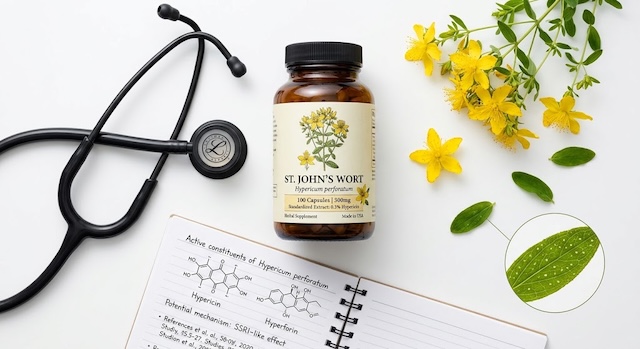
St. John’s wort (Hypericum perforatum) is among the most extensively studied medicinal herbs.
It has traditionally been used for conditions including melancholia, nerve pain, and wound healing.
Clinical research has primarily focused on depression.
Systematic reviews have found evidence that certain standardized St. John’s wort preparations may be beneficial for mild to moderate depression. However, evidence becomes less convincing in severe depression, and methodological differences between preparations and clinical trials remain important limitations.
Most importantly, St. John’s wort can cause clinically significant drug interactions.
Therefore, its use should not be considered equivalent to taking an innocuous dietary product.
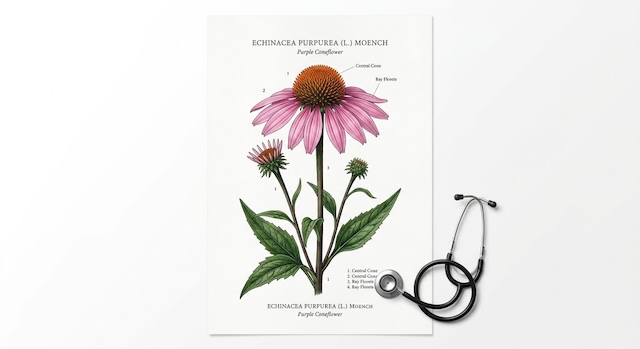
Echinacea
Echinacea is commonly marketed for immune support and the prevention or treatment of the common cold.
Clinical evidence is mixed.
Some studies have reported modest reductions in cold duration or symptom severity, while others have found no significant benefit. Differences in species, plant parts, extraction techniques, doses, and formulations make it difficult to generalize results from one Echinacea product to another.
Consequently, claims that Echinacea universally “boosts the immune system” should be treated cautiously.
Turmeric and Curcumin
Turmeric (Curcuma longa) is one of the most extensively researched medicinal plants.
Its best-known compound is curcumin, which has demonstrated anti-inflammatory and antioxidant activity in numerous laboratory and preclinical studies.
Clinical trials have investigated curcumin for osteoarthritis, inflammatory diseases, metabolic conditions, depression, and other disorders.
Some randomized trials have reported reductions in osteoarthritis pain and improvements in physical function. However, curcumin has a major pharmacokinetic limitation: poor oral bioavailability.
This is an important lesson in herbal medicine research.
A compound can have impressive pharmacological properties in vitro but still face substantial challenges when administered to humans.
Ginkgo Biloba
Ginkgo biloba has traditionally been used for cognitive and circulatory disorders.
Despite its popularity as a “memory supplement,” high-quality clinical evidence has not demonstrated that Ginkgo biloba prevents Alzheimer’s disease or dementia.
The large GEM trial included more than 3,000 older adults and found that standardized Ginkgo extract did not reduce the incidence of dementia or Alzheimer’s disease compared with placebo.
This illustrates an important principle of evidence-based medicine:
A biologically plausible mechanism is not sufficient evidence of clinical effectiveness.
Ginseng
Ginseng contains numerous compounds known as ginsenosides.
Research has investigated ginseng for cognition, physical performance, immune function, diabetes, erectile dysfunction, and cancer-related fatigue.
Some studies have reported modest benefits for specific outcomes, but the overall evidence remains heterogeneous. Small sample sizes, short follow-up periods, differences between preparations, and methodological limitations make definitive conclusions difficult.
Valerian
Valerian root has traditionally been used as a sedative and sleep aid.
Some systematic reviews suggest that valerian may improve subjective sleep quality. However, objective measurements such as polysomnography have not consistently demonstrated the same magnitude of benefit.
Therefore, although valerian may help some people perceive better sleep, the strength of evidence remains limited.
Milk Thistle
Milk thistle (Silybum marianum) contains the flavonolignan complex known as silymarin.
It has traditionally been promoted for liver health and has been studied in alcoholic liver disease, viral hepatitis, and metabolic liver disease.
However, clinical evidence has been inconsistent. Earlier systematic reviews found insufficient evidence for meaningful improvements in major liver outcomes, although some newer studies have reported improvements in liver enzyme levels in selected populations.
Lower liver enzymes should not automatically be interpreted as proof that an herbal product prevents cirrhosis, liver failure, or death.
Saw Palmetto
Saw palmetto is widely marketed for benign prostatic hyperplasia (BPH) and lower urinary tract symptoms.
Early studies suggested possible benefits.
However, larger and better-designed randomized trials failed to demonstrate significant advantages over placebo, including trials using relatively high doses.
A Cochrane review subsequently concluded that Serenoa repens was not more effective than placebo for urinary symptoms associated with BPH.
This is a particularly useful example of why preliminary positive research should not be treated as definitive evidence.
Garlic
Garlic has been used medicinally for thousands of years.
Its most famous bioactive compound, allicin, is produced when fresh garlic is crushed or chopped.
Clinical research has investigated garlic for blood pressure, cholesterol, platelet activity, and cardiovascular risk.
Some meta-analyses have reported meaningful reductions in blood pressure among people with hypertension. Evidence for cholesterol reduction, however, appears more modest and inconsistent.
Garlic also illustrates another important point: a culinary food and a concentrated supplement are not necessarily pharmacologically equivalent.
Lavender
Lavender has traditionally been used for relaxation, anxiety, and sleep-related complaints.
A standardized oral lavender oil preparation known as Silexan has been studied in randomized clinical trials for anxiety.
Some trials and meta-analyses have reported significant improvements in anxiety symptoms compared with placebo. Aromatherapy studies have also reported reductions in anxiety, although blinding is difficult in trials involving strongly scented interventions.
The distinction between a standardized pharmaceutical-grade preparation and simply inhaling lavender essential oil is important when interpreting these findings.
Is Herbal Medicine Safe?
One of the most dangerous assumptions surrounding herbal products is:
“Natural means safe.”
It does not.
Many highly toxic substances are completely natural. Plant-derived compounds include some of the most potent toxins known to humans.
The safety of an herbal medicine depends on its chemical composition, dose, preparation, route of administration, product quality, patient characteristics, and interactions with other substances.
Herbal Medicines Can Cause Liver Injury
Herbal-induced liver injury is an important clinical concern.
Several botanical products have been associated with hepatotoxicity, including:
- Kava
- Pyrrolizidine alkaloid-containing plants
- High-dose green tea extracts
- Black cohosh
The severity of liver injury can range from asymptomatic elevations of liver enzymes to acute liver failure.
Patients should therefore tell their healthcare providers about herbal supplements, especially when unexplained liver abnormalities develop.
Drug-Herb Interactions Can Be Serious
One of the most clinically important issues in herbal medicine is interaction with prescription drugs.
The classic example is St. John’s wort.
Its constituents can induce drug-metabolizing enzymes and transport proteins, particularly CYP enzymes and P-glycoprotein. This can reduce the concentration and effectiveness of several medications.
Potentially important interactions include:
- Immunosuppressants such as cyclosporine and tacrolimus
- Certain antiretroviral drugs
- Oral contraceptives
- Warfarin
- Digoxin
- Some statins
- Certain antidepressants
- Several anticancer drugs
In transplant patients, for example, reduced immunosuppressant concentrations can have catastrophic consequences.
Other herbal products may also interact with conventional medications.
Ginkgo may increase bleeding risk, high-dose garlic may affect anticoagulation, and ginseng may interact with warfarin and glucose-lowering medications.
Contamination and Adulteration
The risks of herbal products are not limited to the plants themselves.
Product quality can also be problematic.
Potential contaminants include:
- Heavy metals
- Pesticide residues
- Bacteria
- Fungi and mycotoxins
- Undeclared pharmaceutical drugs
Species misidentification can create additional risks. If a toxic plant is substituted for the intended medicinal species, consumers may unknowingly be exposed to dangerous compounds.
This is why standardization, authentication, quality control, and appropriate regulation are central issues in modern herbal medicine.
Who Should Be Especially Careful?
Some populations require particular caution when considering herbal medicines.
Pregnancy and Breastfeeding
The safety of many herbal products during pregnancy and lactation has not been adequately established.
Traditional use alone should not be interpreted as proof of reproductive safety.
Children
Children may respond differently to pharmacologically active compounds because of differences in body weight, metabolism, organ development, and pharmacokinetics.
Evidence-based dosing is unavailable for many herbal products.
Before Surgery
Herbal supplements may affect coagulation, blood pressure, sedation, or metabolism of anesthetic drugs.
The source material notes that the American Society of Anesthesiologists recommends discontinuing herbal supplements before elective surgery because of potential perioperative risks.
Patients should always inform their surgeon and anesthesiologist about supplements they are taking.
How Are Herbal Medicines Regulated?
Regulation varies considerably between countries.
United States
In the United States, many herbal products are regulated as dietary supplements under the Dietary Supplement Health and Education Act of 1994.
This regulatory pathway differs substantially from the system used for pharmaceutical drugs. Herbal supplements generally do not undergo the same type of premarket demonstration of efficacy required for conventional medications.
European Union
The European Union has established regulatory pathways for traditional herbal medicinal products.
The European Medicines Agency’s Committee on Herbal Medicinal Products evaluates evidence and publishes herbal monographs. Certain products with sufficiently long histories of traditional use can qualify for simplified registration procedures when specified quality and safety requirements are met.
Other Countries
China, India, Australia, and Canada use different regulatory approaches involving varying combinations of traditional-use evidence, quality assessment, safety evaluation, and evidence of efficacy.
The regulatory label attached to an herbal product therefore does not automatically tell consumers how effective it is.
The Future of Herbal Medicine
The future of herbal medicine is unlikely to be a simple choice between traditional medicine and modern medicine.
Instead, the field is increasingly moving toward integrative, evidence-based pharmacology.
Several areas are particularly promising.
Network Pharmacology
Herbal preparations contain multiple compounds acting on multiple biological targets.
Network pharmacology and systems biology may help researchers understand these complex interactions more effectively than approaches focused exclusively on one compound at a time.
Pharmacogenomics
Genetic differences may influence how individuals metabolize herbal compounds and how strongly they respond to them.
Future personalized approaches could potentially use pharmacogenomic information to predict both therapeutic response and adverse effects.
Artificial Intelligence
Artificial intelligence and machine learning are increasingly being explored for:
- Screening plant compounds
- Predicting drug-herb interactions
- Optimizing extraction techniques
- Identifying potential drug candidates
- Analyzing traditional medicine databases
The enormous chemical diversity of medicinal plants makes computational approaches particularly attractive for drug discovery.
Better Quality Control
Modern analytical technologies such as:
- DNA barcoding
- HPLC
- Mass spectrometry
- Nuclear magnetic resonance spectroscopy
- Metabolomic fingerprinting
can improve plant identification, detect adulteration, and establish chemical consistency.
What Does Evidence-Based Herbal Medicine Look Like?
A scientifically responsible approach to herbal medicine requires distinguishing traditional use, biological plausibility, preclinical evidence, and clinical efficacy.
These are not interchangeable concepts.
A plant may:
- Have been used traditionally for centuries.
- Contain biologically active compounds.
- Produce an effect in laboratory experiments.
- Produce an effect in animals.
- Show an effect in small human trials.
- Ultimately fail to demonstrate meaningful clinical benefit in large randomized trials.
Each stage provides different levels of evidence.
Herbal research also faces methodological challenges. Different studies may use different plant species, extraction procedures, concentrations, formulations, and doses. Blinding can be difficult because herbal products often have distinctive tastes or odors.
Therefore, the name of the herb alone is often insufficient to determine what evidence applies to a particular product.
Herbal Medicine: Science Instead of Hype
There are two equally problematic extremes in discussions about herbal medicine.
The first is the claim that:
“Herbal medicines are natural, therefore they are safe and effective.”
The second is:
“Herbal medicines are not pharmaceutical drugs, therefore they cannot work.”
Both statements are scientifically inadequate.
Plant-derived compounds have contributed enormously to modern pharmacology. Morphine, quinine, digoxin, artemisinin, vincristine, and other important therapeutic agents demonstrate the enormous pharmacological potential of the plant kingdom.
At the same time, traditional use does not guarantee efficacy, and impressive laboratory findings do not necessarily predict clinical benefit.
The correct approach is more demanding:
Ask what the evidence actually shows.
That means considering randomized controlled trials, systematic reviews, meta-analyses, pharmacokinetic data, adverse-event reports, product standardization, and clinically meaningful outcomes.
Frequently Asked Questions About Herbal Medicine
Is herbal medicine scientifically proven?
Some herbal medicines have evidence supporting specific therapeutic applications, while others have insufficient, inconsistent, or negative evidence. Herbal medicine should therefore be evaluated product by product and indication by indication.
Are herbal medicines safer than prescription drugs?
Not necessarily. Herbal products can cause adverse effects, hepatotoxicity, allergic reactions, contamination-related illness, and clinically significant drug interactions.
Can herbal medicine interact with prescription drugs?
Yes. St. John’s wort is one of the best-known examples, but other products such as ginkgo, garlic, ginseng, and goldenseal can also interact with medications.
Does natural mean safe?
No. Natural substances can have powerful pharmacological and toxicological effects.
Can herbal medicine replace conventional treatment?
Not automatically. Replacing evidence-based treatment with an inadequately studied herbal product can be dangerous, particularly for serious diseases.
Should I tell my doctor about herbal supplements?
Yes. Healthcare professionals need to know about all supplements and medicines being used because of potential interactions, adverse effects, and implications for diagnosis or treatment.
Conclusion
Herbal medicine occupies a fascinating position at the intersection of traditional knowledge, pharmacology, public health, and modern drug discovery.
Medicinal plants have played a central role in human healthcare for thousands of years, and modern pharmacology continues to benefit from compounds originating from the plant kingdom.
However, historical use should not be confused with clinical proof.
The evidence varies substantially between herbal products. Some have demonstrated clinically relevant effects for specific conditions, while others have failed to outperform placebo in well-designed trials. Many remain insufficiently studied.
Safety is equally important. Drug-herb interactions, hepatotoxicity, contamination, adulteration, inaccurate species identification, and uncertain dosing can create significant risks.
The most scientifically defensible position is therefore neither to blindly embrace herbal medicine nor to reject it categorically.
Herbal medicine deserves scientific investigation, but it also deserves scientific skepticism.
The future of the field will depend on rigorous clinical trials, pharmacology, pharmacogenomics, network pharmacology, modern analytical chemistry, artificial intelligence, better regulation, and improved product standardization.
Ultimately, the goal should be simple:
Preserve valuable traditional knowledge, test it rigorously, retain what works, discard what does not, and protect patients from unnecessary harm.
References:
- World Health Organization. WHO Traditional Medicine Strategy 2014–2023. Geneva: World Health Organization; 2013.
- Blumenthal M, Goldberg A, Brinckmann J, editors. Herbal Medicine: Expanded Commission E Monographs. Newton, MA: Integrative Medicine Communications; 2000.
- European Medicines Agency, Committee on Herbal Medicinal Products. Community Herbal Monographs. European Medicines Agency. EMA: Herbal Medicinal Products
- Linde K, Berner MM, Kriston L. St John’s wort for major depression. Cochrane Database of Systematic Reviews. 2008;(4):CD000448. doi:10.1002/14651858.CD000448.pub3.
- Karsch-Völk M, Barrett B, Kiefer D, Bauer R, Ardjomand-Woelkart K, Linde K. Echinacea for preventing and treating the common cold. Cochrane Database of Systematic Reviews. 2014;(2):CD000530. doi:10.1002/14651858.CD000530.pub3.
- Daily JW, Yang M, Park S. Efficacy of turmeric extracts and curcumin for alleviating the symptoms of joint arthritis: a systematic review and meta-analysis of randomized clinical trials. Journal of Medicinal Food. 2016;19(8):717-729. doi:10.1089/jmf.2016.3705.
- DeKosky ST, Williamson JD, Fitzpatrick AL, et al. Ginkgo biloba for prevention of dementia: a randomized controlled trial. JAMA. 2008;300(19):2253-2262. doi:10.1001/jama.2008.683.
- Ried K, Frank OR, Stocks NP. Aged garlic extract reduces blood pressure in hypertensives: a dose-response trial. European Journal of Clinical Nutrition. 2013;67(1):64-70. doi:10.1038/ejcn.2012.178.
- Kasper S, Gastpar M, Müller WE, et al. Silexan, an orally administered Lavandula oil preparation, is effective in the treatment of “subsyndromal” anxiety disorder: a randomized, double-blind, placebo-controlled trial. International Clinical Psychopharmacology. 2010;25(5):277-287. doi:10.1097/YIC.0b013e32833b3f71.
- Tacklind J, MacDonald R, Rutks I, Stanke JU, Wilt TJ. Serenoa repens for benign prostatic hyperplasia. Cochrane Database of Systematic Reviews. 2012;(12):CD001423. doi:10.1002/14651858.CD001423.pub3.
- Rambaldi A, Jacobs BP, Gluud C. Milk thistle for alcoholic and/or hepatitis B or C virus liver diseases. Cochrane Database of Systematic Reviews. 2007;(4):CD003620. doi:10.1002/14651858.CD003620.pub3.
- Bent S, Padula A, Moore D, Patterson M, Mehling W. Valerian for sleep: a systematic review and meta-analysis. American Journal of Medicine. 2006;119(12):1005-1012. doi:10.1016/j.amjmed.2006.02.026.
- Heinrich M, Barnes J, Prieto-Garcia J, Gibbons S, Williamson EM. Fundamentals of Pharmacognosy and Phytotherapy. 3rd ed. Edinburgh: Elsevier; 2018.
- Mills S, Bone K. Principles and Practice of Phytotherapy: Modern Herbal Medicine. 2nd ed. Edinburgh: Churchill Livingstone/Elsevier; 2013.