
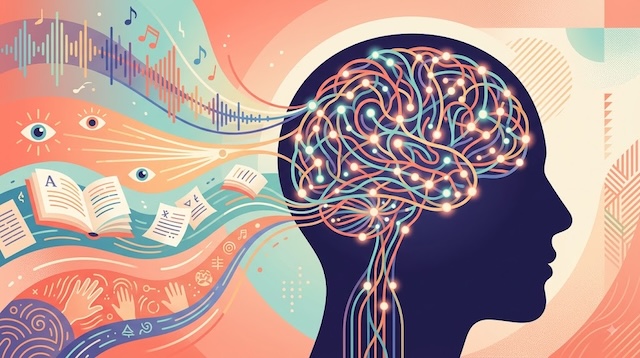
The Learning Styles Hypothesis and Meshing Hypothesis in Education
The concept of learning styles—particularly the Visual-Auditory-Kinesthetic (VAK) or Visual-Auditory-Reading/Writing-Kinesthetic (VARK) model—has achieved widespread acceptance in educational settings globally. The underlying premise suggests that individuals possess preferred sensory modalities for processing information, and that matching instructional delivery to these preferences (the “meshing” or “matching” hypothesis) will optimize learning outcomes (Brown, 2023; Newton et al., 2021; Rousseau et al., 2018). However, despite its intuitive appeal and pervasive implementation, the scientific consensus from cognitive psychology and educational neuroscience has consistently classified learning styles as a neuromyth—a misconception about the brain and learning that lacks empirical support (Bailey et al., 2018; Brown, 2023; Newton et al., 2021; Newton & Salvi, 2020).
The Meshing Hypothesis: Definition and Theoretical Framework
The meshing hypothesis, as articulated by Pashler and colleagues, posits that matching instructional methods to a student’s preferred learning style will improve learning outcomes, while mismatched instruction will negatively affect learning (Brown, 2023; Clinton‐Lisell & Litzinger, 2024; Wininger et al., 2019). To rigorously test this hypothesis, researchers must employ a specific experimental design: (1) categorize learners into at least two groups based on learning style assessments, (2) randomly assign participants to matched or mismatched instructional conditions, (3) administer identical outcome measures to all participants, and (4) demonstrate a statistical crossover interaction effect showing that matched instruction benefits learners of one style while mismatched instruction harms them (Aslaksen & Lorås, 2018; Brown, 2023; Clinton‐Lisell & Litzinger, 2024).
The VARK model represents one of the most popular frameworks, classifying learners as visual, auditory, reading/writing, or kinesthetic (Rousseau et al., 2018; Touloumakos et al., 2023; Wininger et al., 2019). Alternative models include Kolb’s Learning Style Inventory, Honey and Mumford’s approach, and the Gregorc model of cognition (Stander et al., 2019; Touloumakos et al., 2023; Παπαδάτου-Παστού et al., 2020). Despite this proliferation of instruments—with up to 70 different learning style models identified in the literature (Newton et al., 2021; Wininger et al., 2019)—the fundamental assumption remains consistent: tailoring instruction to individual preferences enhances learning (Drumm, 2019; Wininger et al., 2019).
Empirical Evidence Against the Meshing Hypothesis
Experimental Studies
A comprehensive body of experimental research has systematically tested the meshing hypothesis using rigorous methodological criteria. Rousseau and colleagues examined multiple studies employing diverse methodologies including correlational designs, experimental designs, functional brain imaging, transcranial magnetic stimulation, and eye-tracking, finding no supporting evidence for the matching hypothesis (Rousseau et al., 2018). Similarly, Aslaksen and Lorås conducted a mini-review of studies applying explicit methodological criteria and reported that overall effect sizes were very low and non-significant, indicating no replicable statistical evidence for enhanced learning outcomes when aligning instruction to modality-specific learning styles (Aslaksen & Lorås, 2018).
Touloumakos and colleagues conducted a systematic study employing both frequentist and Bayesian statistical approaches to test whether visual learners would demonstrate superior learning of sign-words compared to auditory and kinesthetic learners (Touloumakos et al., 2023). The study found no evidence of differences in learning performance among individuals with different learning styles, whether classified by questionnaires or direct self-report (Touloumakos et al., 2023). Furthermore, the research revealed inconsistencies between how participants were classified based on different measurement instruments (Touloumakos et al., 2023).
Newton and colleagues reviewed 112 recent research papers in health professions education and found that 91% were based on the premise that learning styles represent a useful educational approach, despite the lack of empirical support (Newton et al., 2021). Critically, only one of these 112 papers employed the rigorous crossover interaction analysis required to properly test the meshing hypothesis (Newton et al., 2021).
Meta-Analytic Evidence
Clinton-Lisell and Litzinger conducted a meta-analysis of 21 eligible studies with 101 effect sizes and 1,712 participants examining the effects of matching instruction to modality learning styles (Clinton‐Lisell & Litzinger, 2024). Based on robust variance estimation, they found an overall benefit of matching instruction to learning styles (g = 0.31, SE = 0.12, 95% CI = 0.05, 0.57, p = 0.02) (Clinton‐Lisell & Litzinger, 2024). However, this finding requires critical interpretation: only 26% of learning outcome measures indicated matched instruction benefits for at least two styles, demonstrating a crossover interaction supportive of the matching hypothesis (Clinton‐Lisell & Litzinger, 2024). Among 12 additional studies without sufficient statistical details for meta-analysis, only 25% showed findings indicative of a crossover interaction (Clinton‐Lisell & Litzinger, 2024). The authors concluded that given the time and financial expenses of implementation coupled with low study quality, the benefits of matching instruction to learning styles are too small and too infrequent to warrant widespread adoption (Clinton‐Lisell & Litzinger, 2024).
Papadatou-Pastou and colleagues conducted an experimental study with 99 participants learning Greek Sign Language sign-words, finding no evidence of differences in learning among individuals with different learning styles using either frequentist or Bayesian analytical approaches (Παπαδάτου-Παστού et al., 2026). The study employed multiple learning style assessments including the Barsch Learning Styles Inventory and the Learning Channels Inventory, as well as direct self-report (Παπαδάτου-Παστού et al., 2026).
Neuroimaging and Neuroscience Evidence
The neuroscientific foundation often invoked to support learning styles theory—that information presented in different sensory modalities is processed independently in distinct brain regions—contradicts current understanding of multisensory integration and neural processing (Aslaksen & Lorås, 2018; Bailey et al., 2018). Research in educational neuroscience demonstrates that the brain processes information through complex, interconnected networks rather than isolated modality-specific pathways (Basso & Cottini, 2023; Rousseau, 2024).
Rousseau and colleagues noted that in the current state of scientific literature, optimizing academic performance by matching teaching modes to VAK learning styles remains a research hypothesis still seeking validation (Rousseau et al., 2018). When conveyed incorrectly as an established scientific fact, the matching hypothesis takes on the appearance of a scientific myth (Rousseau et al., 2018).
Prevalence of Learning Styles Beliefs Among Educators
Global Prevalence Studies
Despite the lack of empirical support, belief in learning styles remains extraordinarily high among educators worldwide. Newton and Salvi conducted a systematic review identifying 37 studies representing 15,405 educators from 18 countries spanning 2009 to early 2020 (Newton & Salvi, 2020). Self-reported belief in matching instruction to learning styles was high, with a weighted percentage of 89.1%, ranging from 58% to 97.6% (Newton & Salvi, 2020). Critically, there was no evidence that this belief has declined in recent years; for example, 95.4% of trainee (pre-service) teachers agreed that matching instruction to learning styles is effective (Newton & Salvi, 2020).
Bailey and colleagues surveyed 545 coaches from the United Kingdom and Ireland, finding that 41.6% agreed with statements promoting neuromyths (Bailey et al., 2018). The most prevalent neuromyth was “individuals learn better when they receive information in their preferred learning style (e.g., auditory, visual, or kinesthetic),” which 62% of coaches believed (Bailey et al., 2018).
Macdonald and colleagues surveyed educators, individuals with high neuroscience exposure, and the general public in the United States, finding that the general public endorsed the greatest number of neuromyths (68%), followed by educators (56%), and individuals with high neuroscience exposure (46%) (Macdonald et al., 2017). The most commonly endorsed neuromyth across all groups was related to learning styles, with 93% of the general public, 76% of educators, and 78% of those with high neuroscience exposure agreeing (Macdonald et al., 2017).
Regional Variations
Studies across diverse geographical contexts reveal consistent patterns. Papadatou-Pastou and colleagues surveyed 573 prospective teachers in Greece, finding that 97% endorsed both the learning styles and rich environments myths (Παπαδάτου-Παστού et al., 2017). In Turkey, Karakus and colleagues reported that 97.1% of teachers adopted the learning styles myth (Παπαδάτου-Παστού et al., 2017). In East China, Pei and colleagues found that 97% of teachers endorsed the learning styles myth (Παπαδάτου-Παστού et al., 2017). Ferrero and colleagues conducted a meta-analysis confirming that the learning styles and rich environment myths are extraordinarily popular across most countries (Ferrero et al., 2016; Παπαδάτου-Παστού et al., 2017).
Khramova and colleagues studied 958 university students in Russia, finding that the preferred learning styles myth was the most popular among all respondents at 92% (Khramova et al., 2023). Among Russian pre-service teachers specifically, neuromyths about learning styles (92%), hemispheric dominance (80%), and exercises for connecting hemispheres (77%) were most prevalent (Khramova et al., 2023).
Simoes and colleagues surveyed 1,634 educators across all five regions of Brazil, observing high endorsement of key neuromyths even among groups who performed better overall on neuroscience knowledge questions (Simoes et al., 2022). Brazilian educators scored 74% on neuromyths compared to 89% on general brain knowledge questions (Simoes et al., 2022).
Persistence Despite Training
Concerningly, neuroscience training does not consistently protect against neuromyth endorsement. Brown reviewed evidence showing that even individuals with formal neuroscience knowledge endorsed almost half of the neuromyths presented to them, including the meshing hypothesis (Brown, 2023). Macdonald and colleagues reported that training in both education and neuroscience is associated with a reduction in belief in neuromyths, but does not eliminate such beliefs (Macdonald et al., 2017). More accurate performance on neuromyths was predicted by age (being younger), education (having a graduate degree), exposure to neuroscience courses, and exposure to peer-reviewed science (Macdonald et al., 2017).
Im and colleagues found that taking an educational psychology course increased students’ neuroscience literacy but did not reduce belief in neuromyths (Littlemore et al., 2021; McMahon et al., 2019). Grospietsch and Mayer similarly reported that biology trainee teachers held neuromyths in parallel with their neuroscientific understanding, suggesting that sociocultural factors support neuromyth persistence (McMahon et al., 2019).
Conceptual and Methodological Issues
Definitional Ambiguity
A significant challenge in learning styles research is the lack of consistent terminology and conceptualization. Papadatou-Pastou and colleagues demonstrated that the term “learning styles” is conceptualized, identified, and implemented idiosyncratically by different individuals (Παπαδάτου-Παστού et al., 2020). Educators reported using various methods to identify learning styles, spanning from observation and everyday contact to formal tests (Παπαδάτου-Παστού et al., 2020). The ways learning styles were implemented in classrooms were numerous, comprising various teaching aids, participatory techniques, and motor activities (Παπαδάτου-Παστού et al., 2020).
Newton and Salvi questioned what participants understood when asked about learning styles, noting that educators may define learning styles more loosely than the strict meshing hypothesis (Bresnahan et al., 2024; Newton & Salvi, 2020). Bresnahan and colleagues found that some educators expressed beliefs that sensory modes exist without embracing the meshing hypothesis, suggesting that educators’ conceptualizations of learning styles may be more nuanced than standard survey questions capture (Bresnahan et al., 2024).
Sullivan and colleagues emphasized that the framing of neuromyth items must be improved in future research, as both fact and neuromyth statements require careful construction to accurately assess beliefs (Sullivan et al., 2021). Touloumakos and colleagues noted that matching instruction to an individual’s preferred learning style did not facilitate learning, but acknowledged problems of measurement and interpretation of learning styles questions (Boyle & Lyddy, 2024).
Measurement Reliability
The reliability of learning style instruments has been questioned extensively. Coffield and colleagues identified 71 different learning style models and found that the reliability of underlying preferences is often weak (Newton et al., 2021; Wininger et al., 2019). Touloumakos and colleagues detected inconsistencies between how participants were classified based on different learning style measures and direct self-report (Touloumakos et al., 2023).
Wininger and colleagues conducted a content analysis of 20 educational psychology and introduction to education textbooks, finding that half defined learning style as a preference or approach, while the other half defined it as an individual style (Wininger et al., 2019). This inconsistency in definition extends to measurement instruments, with studies employing diverse tools including the VARK questionnaire, Kolb’s Learning Style Inventory, the Barsch Learning Styles Inventory, Felder and Silverman’s Index of Learning Styles, and numerous others (Clinton‐Lisell & Litzinger, 2024; Stander et al., 2019; Touloumakos et al., 2023).
The Crossover Interaction Requirement
The methodological gold standard for testing the meshing hypothesis requires demonstrating a crossover interaction effect (Aslaksen & Lorås, 2018; Brown, 2023; Clinton‐Lisell & Litzinger, 2024; Παπαδάτου-Παστού et al., 2026). This means that students classified as Type A must perform better when taught using Method 1 than students classified as Type B taught using the same method, and vice versa for Method 2 (Παπαδάτου-Παστού et al., 2026). The vast majority of studies claiming to support learning styles fail to meet this criterion (Aslaksen & Lorås, 2018; Clinton‐Lisell & Litzinger, 2024; Newton et al., 2021).
Papadatou-Pastou and colleagues emphasized that a valid test must be capable of detecting crossover interactions, also known as qualitative interactions or disordinal interactions (Παπαδάτου-Παστού et al., 2026). Content type, cognitive load, and instructional modality play more meaningful roles in learning than matching teaching styles to learning styles (Παπαδάτου-Παστού et al., 2026).
Scientific Consensus: Learning Styles as a Neuromyth
Classification as Pseudoscience
The scientific consensus from cognitive psychology and educational neuroscience classifies learning styles as a neuromyth—a misconception about brain function and learning that lacks empirical foundation (Bailey et al., 2018; Brown, 2023; Newton et al., 2021; Newton & Salvi, 2020; Rousseau, 2024). Neuromyths are defined as widely held misinterpretations of cognitive or neuroscience research (Bresnahan et al., 2024). The learning styles neuromyth states that each individual has a learning style based on their preference, and will learn better in that modality (Bresnahan et al., 2024).
Cleary and Robinson characterized learning styles as a form of pseudoscience—a concept that carries an illusory sense of being grounded in science despite evidence suggesting otherwise (Cleary & Robinson, 2025). The qualities of the learning styles concept that enable it to be characterized as scientifically grounded have contributed to large-scale societal acceptance and institutionalization of what is ultimately a pseudoscientific concept (Cleary & Robinson, 2025).
Bailey and colleagues noted that 41.6% of coaches agreed with statements promoting neuromyths, with learning styles being the most prevalent (Bailey et al., 2018). The persistence of this neuromyth highlights the need for educators to develop healthy skepticism and understand the distinction between science and pseudoscience (Bailey et al., 2018).
Potential Harms
Beyond being scientifically unsupported, learning styles beliefs may have negative consequences for education. Papadatou-Pastou and colleagues cited a letter signed by thirty world-renowned professors of neuroscience, psychology, and education stating that “learning styles can create a false dimension of individuals’ abilities, leading to expectations and excuses that are detrimental to learning in general” (Παπαδάτου-Παστού et al., 2020).
Adopting learning styles could limit the modes of presentation of material for certain students, leading to diminished opportunities to learn (Παπαδάτου-Παστού et al., 2020). The complexity of learning can become simplified and trivialized, while scholarship and research literacy within education as a profession become dangerously compromised (Παπαδάτου-Παστού et al., 2020). Royal and Stockdale raised concerns about the impact of learning styles on educators’ workload, with potential pressure for teachers to alter successful approaches to include consideration of learning styles in teaching design (Davies-Kabir & Aitken, 2021).
Newton and Salvi noted that a dedicated teacher who has invested considerable time and effort in tailoring teaching to students’ learning styles may not be receptive to arguments invoking myths and urban legends (Rousseau, 2024). This emotional investment may contribute to the persistence of the neuromyth despite contradictory evidence.
Ratio of Supporting vs. Contrasting Evidence
The empirical evidence overwhelmingly contradicts the meshing hypothesis. Newton and colleagues found that 91% of 112 recent research papers in health professions education endorsed learning styles, yet only one employed the rigorous methodology required to test the hypothesis (Newton et al., 2021). This represents a stark disconnect between claimed support and actual empirical validation.
Clinton-Lisell and Litzinger’s meta-analysis found that only 26% of learning outcome measures indicated matched instruction benefits supportive of the matching hypothesis (Clinton‐Lisell & Litzinger, 2024). Among additional studies examined, only 25% showed findings indicative of a crossover interaction (Clinton‐Lisell & Litzinger, 2024). This means that approximately 74-75% of studies fail to demonstrate the crossover interaction required to support the meshing hypothesis.
Aslaksen and Lorås reported that across studies applying methodological criteria, overall effect sizes were very low and non-significant (Aslaksen & Lorås, 2018). Multiple independent reviews have concluded that there is no adequate evidence base to justify incorporating learning styles assessments into general educational practice(Aslaksen & Lorås, 2018; Davies-Kabir & Aitken, 2021).
Interventions to Address Learning Styles Beliefs
Educational Interventions
Several approaches have been tested to reduce educators’ beliefs in learning styles and other neuromyths. Rousseau and colleagues recommended preventing the adoption of non-evidence-based educational practices among student teachers through explicit instruction (Rousseau et al., 2018). McMahon and colleagues applied design-based research to create neuroeducational teaching/learning resources for initial teacher education trainees, finding reductions in trainees’ beliefs in neuromyths and a shift to responses showing uncertainty (McMahon et al., 2019). However, the most persistent neuromyths were those regarding fish oils, left brain/right brain, and learning styles/VAK (McMahon et al., 2019).
Ferreira and Rodríguez assessed the effect of a one-year Science of Learning course on neuroscience literacy and beliefs in neuromyths among Chilean pre-service teachers (Ferreira & Rodríguez, 2022). The experimental group showed significantly better performance on neuroscience literacy at mid-year and end-of-year assessments compared to controls (Ferreira & Rodríguez, 2022). Unlike neuroscience literacy, neuromyth beliefs did not differ significantly between groups until the end of the year, when the experimental group showed a significant decline (Ferreira & Rodríguez, 2022). The authors concluded that the course significantly improved overall neuroscience literacy and reduced neuromyth belief, though the effect was small (Ferreira & Rodríguez, 2022).
Grospietsch and Mayer investigated whether a university course developed according to a professional conceptual change model could reduce pre-service biology teachers’ endorsement of neuromyths (Grospietsch & Mayer, 2018). They found a positive effect of the intervention on all three elements of students’ conceptual understanding (Grospietsch & Mayer, 2018). The results showed that explicitly refuting misconceptions about learning and the brain through conceptual change texts helps to professionalize neuromyths (Grospietsch & Mayer, 2018).
Challenges and Limitations
Despite these interventions, significant challenges remain. Littlemore and colleagues reviewed intervention approaches and found that neuroscience training does not consistently protect against neuromyths (Littlemore et al., 2021). Refutation-based interventions show variable effectiveness, with corrective effects not always enduring over time (Littlemore et al., 2021). The authors highlighted the “backfire effect,” social desirability bias, and powerful intuitive thinking mode as significant obstacles (Littlemore et al., 2021).
Newton and Miah warned of a “backfire effect,” where attempts to address myths and misunderstandings can lead to even stronger endorsement of these myths (Grospietsch & Mayer, 2018). Rousseau noted that achieving complete eradication of educational neuromyths may not be achievable, as stress and reduced cognitive resources can prevent suppression of misconceptions (Rousseau, 2024).
Brown noted that belief in neuromyths like the meshing hypothesis does not necessarily translate into classroom implementation, though some studies suggest at least one-third of educators who believe in the hypothesis do adjust their teaching accordingly (Brown, 2023). This highlights the need to understand not just beliefs but actual instructional practices.
Alternative Evidence-Based Approaches
Multimodal Instruction
Rather than matching instruction to individual learning styles, research supports the effectiveness of multimodal instruction that engages multiple sensory modalities for all learners (Nancekivell et al., 2021; Rousseau, 2024). Nancekivell and colleagues found that many participants who believed in the learning style myth also supported the efficacy of multimodal learning (Nancekivell et al., 2021). This suggests that educators’ attraction to learning styles may stem from a desire to provide varied, engaging instruction rather than strict adherence to the meshing hypothesis.
Rousseau proposed a paradigmatic shift from the VAK learning styles model to a multisensory processing framework in educational settings (Rousseau, 2024). Recent studies have demonstrated that “enriched learning” strategies engaging multiple sensory modalities can enhance acquisition of academic skills (Rousseau, 2024). This approach provides varied instructional methods without the problematic assumption that students should receive instruction only in their “preferred” modality.
Universal Design for Learning
Rousseau and colleagues contrasted the learning styles approach with Universal Design for Learning (UDL), noting that in the universal approach, diversification of didactic formulas does not aim to respect each learning style, but rather to establish a plurality of pathways to learning (Rousseau et al., 2018). This framework provides multiple means of representation, action and expression, and engagement for all learners rather than attempting to match instruction to individual preferences.
Metacognition and Self-Regulated Learning
Papadatou-Pastou and colleagues suggested that pedagogies focusing on metacognitive skills and self-regulation of learning represent evidence-based alternatives to learning styles (Παπαδάτου-Παστού et al., 2020). These techniques have been shown to be effective and have high impact on student attainment in several systematic reviews and meta-analyses (Παπαδάτου-Παστού et al., 2020). Such approaches empower learners to monitor and regulate their own learning processes rather than relying on fixed style classifications.
Implications for Teacher Education and Professional Development
Pre-Service Teacher Training
The prevalence of learning styles beliefs among pre-service teachers represents a critical concern. Newton and Salvi found that 95.4% of trainee teachers agreed that matching instruction to learning styles is effective (Newton & Salvi, 2020). Khramova and colleagues reported that the learning styles myth was endorsed by 92% of pre-service teachers in their Russian sample (Khramova et al., 2023).
Papadatou-Pastou and colleagues recommended incorporating neuroscience and cognitive psychology modules within formal teacher education, with emphasis on debunking neuromyths and providing alternative evidence-based pedagogies (Παπαδάτου-Παστού et al., 2017, 2020). McMahon and colleagues demonstrated that modified initial teacher education programs can reduce trainees’ beliefs in neuromyths, though some myths persist (McMahon et al., 2019).
Grospietsch and Mayer argued that pre-service biology teachers can benefit from instruction that explicitly refutes misconceptions about learning and the brain (Grospietsch & Mayer, 2018). However, they noted that neuromyths are able to remain relatively stable over university teacher education because elements of knowledge from different courses on neuroscience, pedagogical psychology, and subject matter do not always integrate coherently (Grospietsch & Mayer, 2018).
In-Service Professional Development
Rousseau reviewed in-service teacher professional development interventions designed to dispel educational neuromyths (Rousseau, 2024). Various interventional approaches were discussed, including refutation texts embedded in brief neuroscience training, personalized refutation texts, reflections on science of learning key concepts (e.g., brain plasticity), and immersive experiences within research groups (Rousseau, 2024). The review underscored the need to bring neuromyth investigations into the classroom environment (Rousseau, 2024).
Littlemore and colleagues examined whether reduced beliefs in neuromyths translate into adoption of more evidence-based teaching practices, finding that this connection is not automatic (Littlemore et al., 2021). Teacher professional development workshops and seminars on the neuroscience of learning show variable effectiveness at instilling neuroscience in the classroom (Littlemore et al., 2021).
Ferrero and colleagues suggested that interventions should explicitly discuss the distinction between science and pseudoscience, perhaps using clear-cut examples of the latter as case studies (Ferrero et al., 2016). Educational programs should prioritize addressing persistent misconceptions such as learning styles and neurodevelopment-related beliefs rather than focusing exclusively on general neuroscience content (Hausen et al., 2026).
Bridging Neuroscience and Education
The Role of Educational Psychology
Multiple scholars have emphasized the critical role of educational psychology in bridging neuroscience and education. Ferreira and Rodríguez noted that the dialogue between neuroscience and education has evolved from a conventional neuroscience-education model to a neuroscience-cognitive psychology-education model, and more recently to an expanded model including neuroscience, cognitive psychology, educational psychology, and education (Ferreira & Rodríguez, 2022).
Im and colleagues argued that educational psychology and education share the commitment to conducting research in realistic classroom settings, while educational psychology and cognitive neuroscience both address basic mechanisms of memory and learning with rigorous experimental control (Ferreira & Rodríguez, 2022). This positions educational psychology as a crucial mediating discipline.
Anderson proposed that educational psychology has the potential to bridge the knowledge gap between the neuroscience of dyslexia and education, given the field’s interdisciplinary training across neuroscience, educational psychology, and academic skill development (Anderson, 2021). This model could extend to addressing other neuromyths including learning styles.
Collaborative Models
Basso and Cottini proposed moving beyond the metaphor of “bridging the gap” between neuroscience and education to cultivating a “common field” that scholars from both perspectives work together to develop (Basso & Cottini, 2023). This shift moves the perspective from “what is missing” to an existing field requiring concrete collaborative actions (Basso & Cottini, 2023).
Van Atteveldt and colleagues emphasized the importance of bi-directional and systematic practice-research collaborations to better connect the “mind” and “brain” levels to education (Atteveldt et al., 2020). They presented several approaches to more intensive collaboration and discussed methods to equip researchers to realize such collaborations successfully (Atteveldt et al., 2020).
Bowen and colleagues brought together representatives from educational practice, research, and policy to explore challenges and solutions in establishing “what works” in different educational contexts (Bowen et al., 2024). Recommendations included facilitating a research culture within the teaching profession, promoting data sharing and communication, and conducting realistic evaluations (Bowen et al., 2024).
Conclusion
The scientific consensus from cognitive psychology and educational neuroscience is unequivocal: the learning styles hypothesis, particularly the meshing hypothesis that matching instruction to preferred learning styles improves outcomes, lacks empirical support and should be classified as a neuromyth. Despite widespread belief among educators—with prevalence rates consistently ranging from 58% to 97.6% across international studies—rigorous experimental research has failed to demonstrate the crossover interaction effects required to validate the hypothesis.
Meta-analytic evidence reveals that only approximately 25-26% of studies show any indication of the crossover interaction supportive of the meshing hypothesis, with overall effect sizes too small and infrequent to warrant widespread implementation. The ratio of supporting versus contrasting empirical evidence overwhelmingly favors the conclusion that learning styles represent pseudoscience rather than evidence-based practice.
The persistence of this neuromyth despite decades of contradictory evidence highlights significant challenges in translating research to practice, including definitional ambiguity, measurement unreliability, intuitive appeal, and insufficient neuroscience training in teacher education. Interventions to address learning styles beliefs show variable effectiveness, with neuroscience knowledge alone providing insufficient protection against neuromyth endorsement.
Moving forward, the field should prioritize evidence-based alternatives including multimodal instruction for all learners, Universal Design for Learning frameworks, and metacognitive skill development. Teacher education programs must explicitly address neuromyths through conceptual change approaches while fostering critical evaluation skills. Strengthening the bridge between neuroscience and education through educational psychology and collaborative research models offers the most promising path toward replacing persistent neuromyths with scientifically validated pedagogical practices.
- References:
Anderson, A. (2021). Advancing School Professionals’ Dyslexia Knowledge Through Neuroscience: Bridging the Science-Education Gap Through Developmental Psychology. Frontiers in Education, 5. https://doi.org/10.3389/feduc.2020.615791 - Aslaksen, K., & Lorås, H. (2018). The Modality-Specific Learning Style Hypothesis: A Mini-Review. Frontiers in Psychology, 9. https://doi.org/10.3389/fpsyg.2018.01538
- Atteveldt, N. van, Peters, S., Smedt, B. D., & Dumontheil, I. (2020). Towards Greater Collaboration in Educational Neuroscience: Perspectives From the 2018Earli‐SIG22Conference. Mind Brain and Education, 14(2), 124–129. https://doi.org/10.1111/mbe.12250
- Bailey, R., Madigan, D. J., Cope, E., & Nicholls, A. R. (2018). The Prevalence of Pseudoscientific Ideas and Neuromyths Among Sports Coaches. Frontiers in Psychology, 9. https://doi.org/10.3389/fpsyg.2018.00641
- Basso, D., & Cottini, M. (2023). Cognitive Neuroscience and Education: Not a Gap to Be Bridged but a Common Field to Be Cultivated. Sustainability, 15(2), 1628. https://doi.org/10.3390/su15021628
- Bowen, A. E. J., Palmer, L. R. J., Perry, R. C., Thomas, M. S. C., Tolmie, A., Borst, G., & Herwegen, J. V. (2024). Evaluating What Works in the Classroom: Best Practice and Future Opportunities. Mind Brain and Education, 18(4), 474–484. https://doi.org/10.1111/mbe.12430
- Boyle, E., & Lyddy, F. (2024). Need for Cognition, Neuromyths, and Knowledge about the Brain in Aspiring Teachers. Mind Brain and Education, 18(4), 427–436. https://doi.org/10.1111/mbe.12426
- Bresnahan, C., Peterson, E. G., & Hattan, C. (2024). Why educators endorse a neuromyth: relationships among educational priorities, beliefs about learning styles, and instructional decisions. Frontiers in Psychology, 15. https://doi.org/10.3389/fpsyg.2024.1407518
- Brown, S. B. R. E. (2023). The persistence of matching teaching and learning styles: A review of the ubiquity of this neuromyth, predictors of its endorsement, and recommendations to end it. Frontiers in Education, 8. https://doi.org/10.3389/feduc.2023.1147498
- Cleary, A. M., & Robinson, D. H. (2025). Institutionalized Misinformation in US Education: Combatting the Overselling of Learning Styles and Underselling of Spaced Effort. Journal of Social Issues, 81(1). https://doi.org/10.1111/josi.70005
- Clinton‐Lisell, V., & Litzinger, C. (2024). Is it really a neuromyth? A meta-analysis of the learning styles matching hypothesis. Frontiers in Psychology, 15. https://doi.org/10.3389/fpsyg.2024.1428732
- Davies-Kabir, M., & Aitken, G. (2021). Learning styles in medical education: a scoping review. Mededpublish, 10(1). https://doi.org/10.15694/mep.2021.000169.1
- Drumm, L. (2019). Folk pedagogies and pseudo-theories: how lecturers rationalise their digital teaching. Research in Learning Technology, 27(0). https://doi.org/10.25304/rlt.v27.2094
- Ferreira, R. A., & Rodríguez, C. (2022). Effect of a Science of Learning Course on Beliefs in Neuromyths and Neuroscience Literacy. Brain Sciences, 12(7), 811. https://doi.org/10.3390/brainsci12070811
- Ferrero, M., Garaizar, P., & Vadillo, M. A. (2016). Neuromyths in Education: Prevalence among Spanish Teachers and an Exploration of Cross-Cultural Variation. Frontiers in Human Neuroscience, 10. https://doi.org/10.3389/fnhum.2016.00496
- Grospietsch, F., & Mayer, J. (2018). Professionalizing Pre-Service Biology Teachers’ Misconceptions about Learning and the Brain through Conceptual Change. Education Sciences, 8(3), 120. https://doi.org/10.3390/educsci8030120
- Hausen, F. V., Carrasco-Manríquez, C., Quiroz-Martinez, D., & Larraín-Valenzuela, M. J. (2026). From neuromyths to neuroscience literacy: a cross-domain study of brain misconceptions among educators in Chilean special schools. Frontiers in Psychology, 17. https://doi.org/10.3389/fpsyg.2026.1768430
- Khramova, M. V., Bukina, T. V., Smirnov, N., Kurkin, S., & Hramov, A. E. (2023). Prevalence of neuromyths among students and pre-service teachers. Humanities and Social Sciences Communications, 10(1). https://doi.org/10.1057/s41599-023-02412-4
- Littlemore, K., Payne, G., Fraser, K., & Powis, C. (2021). Interventions to Dispel Neuromyths in Educational Settings—A Review. Frontiers in Psychology, 12. https://doi.org/10.3389/fpsyg.2021.719692
- Macdonald, K. T., Germine, L., Anderson, A., Christodoulou, J. A., & McGrath, L. M. (2017). Dispelling the Myth: Training in Education or Neuroscience Decreases but Does Not Eliminate Beliefs in Neuromyths. Frontiers in Psychology, 8. https://doi.org/10.3389/fpsyg.2017.01314
- McMahon, K., Yeh, C. S., & Etchells, P. J. (2019). The Impact of a Modified Initial Teacher Education on Challenging Trainees’ Understanding of Neuromyths. Mind Brain and Education, 13(4), 288–297. https://doi.org/10.1111/mbe.12219
- Nancekivell, S. E., Sun, X., Gelman, S. A., & Shah, P. (2021). A Slippery Myth: How Learning Style Beliefs Shape Reasoning about Multimodal Instruction and Related Scientific Evidence. Cognitive Science, 45(10). https://doi.org/10.1111/cogs.13047
- Newton, P. M., & Salvi, A. (2020). How Common Is Belief in the Learning Styles Neuromyth, and Does It Matter? A Pragmatic Systematic Review. Frontiers in Education, 5. https://doi.org/10.3389/feduc.2020.602451
Newton, P. M., Najabat-Lattif, H. F., Santiago, G., & Salvi, A. (2021). The Learning Styles Neuromyth Is Still Thriving in Medical Education. Frontiers in Human Neuroscience, 15. https://doi.org/10.3389/fnhum.2021.708540 - Rousseau, L. (2024). Dispelling Educational Neuromyths: A Review of In‐Service Teacher Professional Development Interventions. Mind Brain and Education, 18(3), 270–287. https://doi.org/10.1111/mbe.12414
- Rousseau, L., Gauthier, Y., & Caron, J. (2018). L’utilité des « styles d’apprentissage » VAK (visuel, auditif, kinesthésique) en éducation : entre l’hypothèse de recherche et le mythe scientifique. Revue De Psychoéducation, 47(2), 409–448. https://doi.org/10.7202/1054067ar
- Simoes, E., Fóz, A. Q. B., Petinati, F., Marques, A. M., Sato, J. R., Lepski, G., & Arévalo, A. (2022). Neuroscience Knowledge and Endorsement of Neuromyths among Educators: What Is the Scenario in Brazil? Brain Sciences, 12(6), 734. https://doi.org/10.3390/brainsci12060734
- Stander, J., Grimmer, K., & Brink, Y. (2019). Learning styles of physiotherapists: a systematic scoping review. BMC Medical Education, 19(1). https://doi.org/10.1186/s12909-018-1434-5
- Sullivan, K. A., Hughes, B., & Gilmore, L. (2021). Measuring Educational Neuromyths: Lessons for Future Research. Mind Brain and Education, 15(3), 232–238. https://doi.org/10.1111/mbe.12294
- Touloumakos, A. Κ., Vlachou, E., & Παπαδάτου-Παστού, Μ. (2023). “Visual Type? Not My Type”: A Systematic Study on the Learning Styles Neuromyth Employing Frequentist and Bayesian Statistics. Mind Brain and Education, 17(3), 197–208. https://doi.org/10.1111/mbe.12380
- Wininger, S. R., Redifer, J. L., Norman, A. D., & Ryle, M. K. (2019). Prevalence of Learning Styles in Educational Psychology and Introduction to Education Textbooks: A Content Analysis. Psychology Learning & Teaching, 18(3), 221–243. https://doi.org/10.1177/1475725719830301
- Παπαδάτου-Παστού, Μ., Haliou, E., & Vlachos, F. (2017). Brain Knowledge and the Prevalence of Neuromyths among Prospective Teachers in Greece. Frontiers in Psychology, 8. https://doi.org/10.3389/fpsyg.2017.00804
- Παπαδάτου-Παστού, Μ., Touloumakos, A. Κ., & Theotokatou, E. (2026). Debunking the learning styles neuromyth: No effects of learning styles on recognition accuracy in primary education students. Journal of Educational Psychology. https://doi.org/10.1037/edu0001056
- Παπαδάτου-Παστού, Μ., Touloumakos, A. Κ., Koutouveli, C., & Barrable, A. (2020). The learning styles neuromyth: when the same term means different things to different teachers. European Journal of Psychology of Education, 36(2), 511–531. https://doi.org/10.1007/s10212-020-00485-2